Chipping of the coating after rain is worth inspecting before purchasing another can of paint. The cause may be the condition of the steel, substrate preparation, or mechanical contact. New painting should start with evaluating the cold component, especially at corners and mounts.
Separate the metal from the old coating
Check water retention spots and areas under visible chipping. In case of deep corrosion or damaged mounting, first determine the scope of steel repair. Paint does not restore the thickness of a weakened component.
Remove loose residues using a method suitable for the substrate and the remaining coating. Degreasing and drying should comply with the instructions of the selected product. A damp recess does not become prepared for painting just because a large surface has already dried.
Select the scope of painting
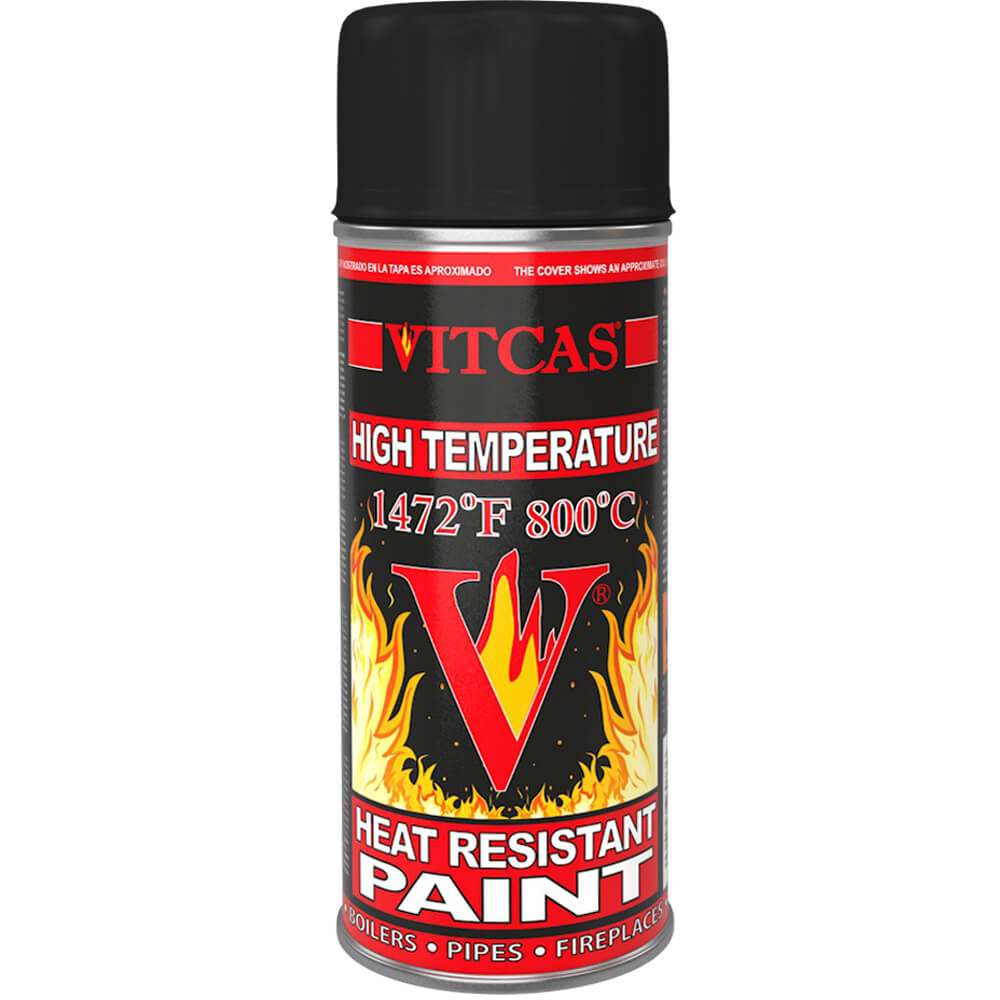
Vitcas heat resistant paint has a declared resistance up to 800°C in the described applications. The manufacturer indicates application without a primer. Do not apply a random priming layer with unknown working conditions.
The product is not confirmed as a paint tested for direct contact with food. Evaluate the housing and the baking surface separately. Protect moving parts and the stove rope if the coating could alter their function.
Also remove the cause of recurrence
Check water drainage and mechanical contact with the painted part. Then maintain the application, drying, and coating preparation conditions for use. Do not paint hot steel to speed up the completion of work.
After completion, check the movement of the doors and the mounting of equipment without forcing pressure. Record the condition of the substrate and the paint variant. If a chip returns in the same place, compare the way the element works; another thicker layer does not necessarily solve the cause of the damage.